

Middle East War: Global Oil Markets Under Pressure
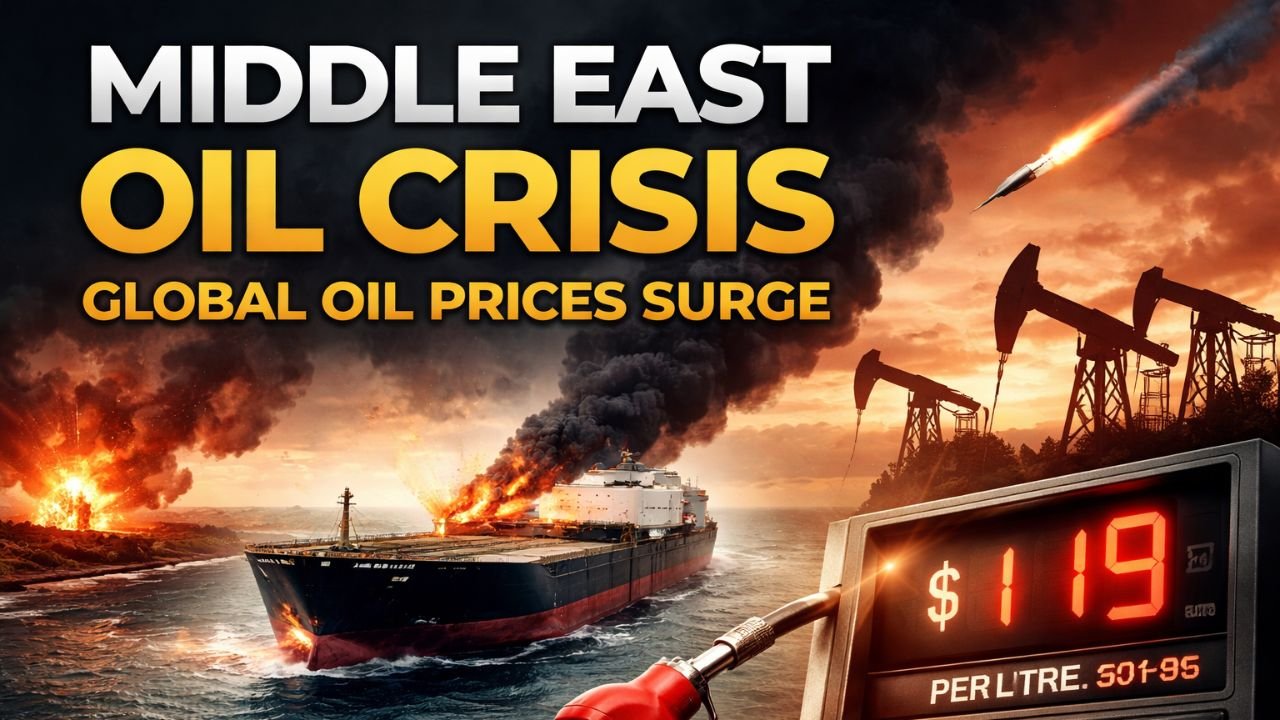
Middle East War: Rising geopolitical tensions in the Middle East have triggered serious concerns in global energy markets, with oil prices experiencing volatility amid fears of supply disruptions. The escalating confrontation between Iran and Israel has heightened risks around key oil transit routes, particularly the strategically vital Strait of Hormuz.
Energy analysts warn that the situation could potentially disrupt a significant portion of the world’s crude oil supply. The narrow maritime passage, located between the Iran and Oman, is responsible for transporting nearly one-fifth of global oil shipments, making it one of the most crucial energy corridors in the world.
According to recent assessments by the International Energy Agency (IEA), continued instability in the region could affect millions of barrels of oil per day, creating ripple effects across international markets. Energy traders and policymakers are closely monitoring developments, as any prolonged disruption could push crude prices higher and intensify inflationary pressures globally.
The conflict has already begun to affect maritime security in the Gulf region. Shipping companies have reportedly increased risk premiums for vessels travelling through the Persian Gulf, while several governments are reviewing contingency measures to safeguard energy supplies.
For energy-import dependent economies such as India, the developments carry particular significance. India imports nearly 85 per cent of its crude oil requirements, with a substantial share sourced from Middle Eastern producers. A sustained rise in crude prices could place additional pressure on domestic fuel prices and the country’s current account balance.
Officials in New Delhi are understood to be closely monitoring the situation while maintaining regular communication with key energy partners in the region. Industry experts say India may also rely on its strategic petroleum reserves if supply disruptions intensify.
Meanwhile, international diplomatic efforts are underway to prevent further escalation. Several global powers have urged restraint and called for dialogue to stabilise the region and protect critical energy infrastructure.
Market observers believe the coming weeks will be crucial. If tensions continue to rise, oil markets could witness heightened volatility, potentially impacting global economic recovery and trade flows.
For now, investors, governments and consumers alike remain watchful as the Middle East crisis unfolds with implications far beyond the region.
Also Read:
Iran-Israel-US War: Iran Allows Indian Oil Ships While Others Face Risk
About the Author



1 thought on “Middle East War Triggers Global Oil Crisis, Fuel Prices May Rise Worldwide”