

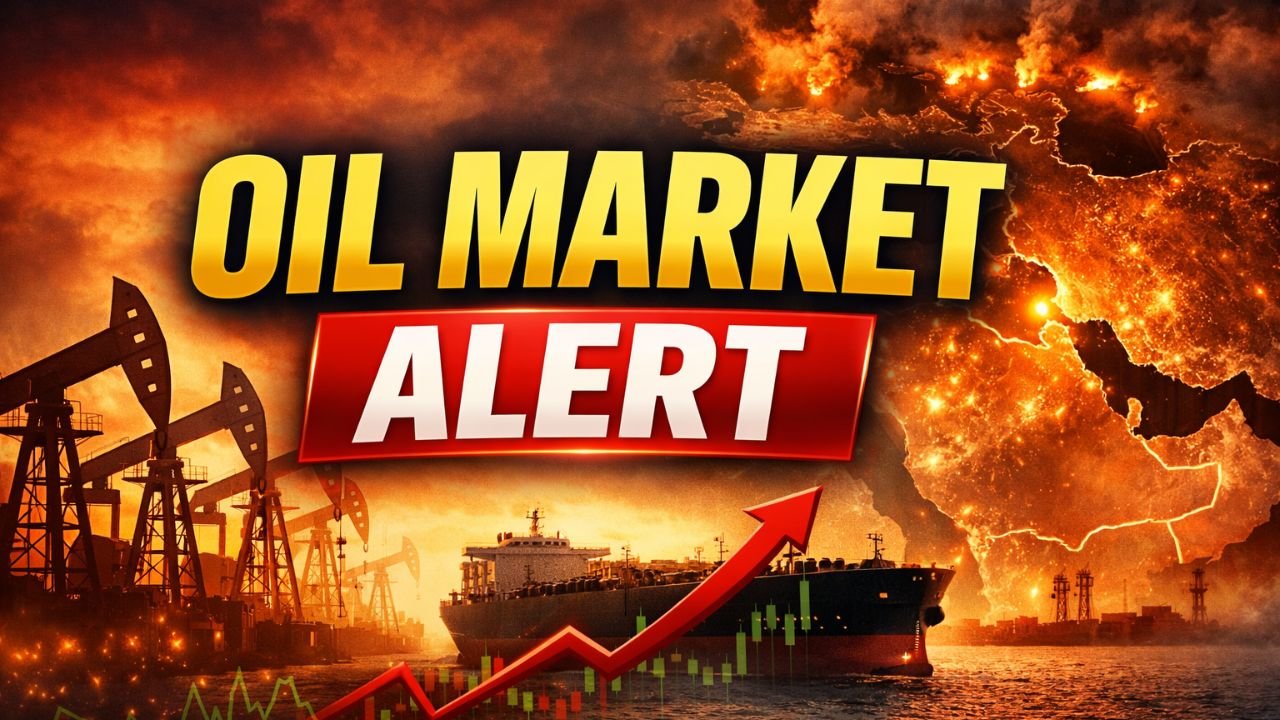
Oil Prices Fluctuate as Middle East Tensions and Supply Concerns Shake Global Markets
Oil prices and Middle East tensions: Global oil markets are once again facing renewed volatility as rising geopolitical tensions in the Middle East and growing concerns over supply disruptions push crude prices into uncertain territory. Energy traders and policymakers across the world are closely monitoring developments in the region, as even minor disruptions in oil supply routes can send shockwaves through the global economy.
Brent crude and West Texas Intermediate (WTI), the world’s two key oil benchmarks, have witnessed notable price fluctuations in recent trading sessions. Analysts say the uncertainty reflects a combination of geopolitical risk, tightening supply expectations, and evolving demand patterns in major economies.
Geopolitical Tensions Fuel Market Anxiety
The Middle East remains the heart of global oil production, accounting for a significant share of the world’s crude supply. As tensions escalate in parts of the region, concerns are growing that shipping routes, pipelines, or production facilities could be affected.
Energy markets are particularly sensitive to developments around critical maritime corridors such as the Strait of Hormuz, a strategic passage through which roughly one-fifth of the world’s oil supply flows every day. Any disruption to this route could immediately trigger sharp spikes in global oil prices.
Market analysts say that even the perception of risk is enough to create volatility in oil markets.
“Oil prices often react not only to actual supply disruptions but also to geopolitical uncertainty,” said one energy market analyst. “Traders tend to price in potential risks long before any real disruption occurs.”
Oil prices and Middle East tensions: Supply Constraints Add Pressure
Beyond geopolitical tensions, global oil markets are also being shaped by supply-side dynamics. Major oil-producing nations, particularly members of the OPEC+ alliance, have continued to manage production levels carefully in an effort to stabilize prices.
Several producers have maintained voluntary output cuts in recent months to prevent oversupply in the market. While this strategy has helped support prices, it has also reduced the cushion available to absorb unexpected supply shocks.
Meanwhile, investment in new oil exploration and production projects remains relatively cautious as many countries accelerate their transition toward renewable energy sources.
Oil prices and Middle East tensions: Demand Outlook Remains Mixed
On the demand side, the global economic outlook continues to influence oil prices. While energy consumption in emerging markets remains relatively strong, slower economic growth in some advanced economies has tempered expectations for demand expansion.
China, the world’s largest importer of crude oil, plays a particularly crucial role in determining global demand trends. Any shift in Chinese industrial activity, manufacturing output, or economic stimulus policies can significantly affect oil consumption patterns.
At the same time, aviation recovery and transportation demand in many regions have supported steady fuel consumption.
Impact on the Global Economy
Oil price fluctuations have far-reaching implications for the global economy. Rising crude prices can increase transportation and manufacturing costs, ultimately contributing to inflationary pressures across multiple sectors.
For energy-importing countries, sustained price increases can widen trade deficits and put pressure on domestic currencies. On the other hand, oil-exporting nations often benefit from higher revenues when prices rise.
Financial markets also tend to react quickly to oil price movements, as investors assess the potential impact on inflation, interest rates, and global growth prospects.
Why It Matters for India
For India, one of the world’s largest crude oil importers, global oil price volatility is a critical economic factor. The country imports nearly 85 percent of its crude oil requirements, making it highly sensitive to international market fluctuations.
Higher oil prices can increase fuel costs domestically and influence inflation levels, transportation expenses, and government fiscal policies. As a result, policymakers in New Delhi closely track global energy markets and geopolitical developments in oil-producing regions.
The Road Ahead for Energy Markets
Looking ahead, energy experts believe oil markets are likely to remain volatile in the coming months as geopolitical developments, production policies, and global economic trends continue to interact.
While renewable energy investments are growing worldwide, oil still remains a cornerstone of the global energy system. Until alternative energy sources fully replace fossil fuels at scale, fluctuations in crude oil prices will continue to play a crucial role in shaping the global economic landscape.
For now, traders and policymakers alike remain on high alert, aware that even a single geopolitical flashpoint could rapidly alter the direction of global oil markets.
Read Also:
Global AI Race Intensifies as Governments Tighten Regulations and Tech Giants Expand Power
About the Author