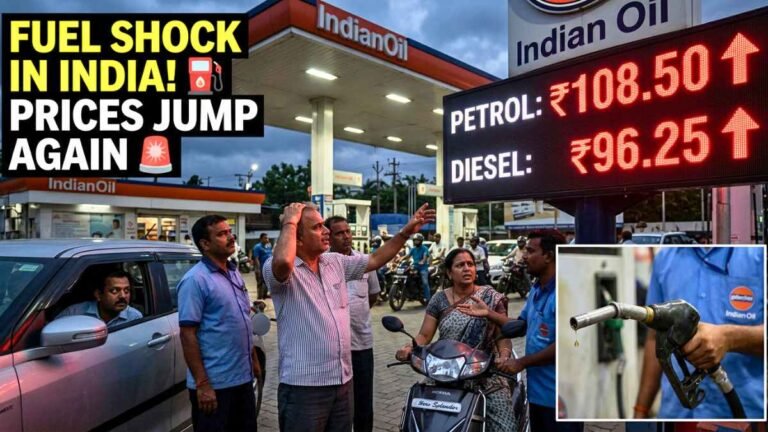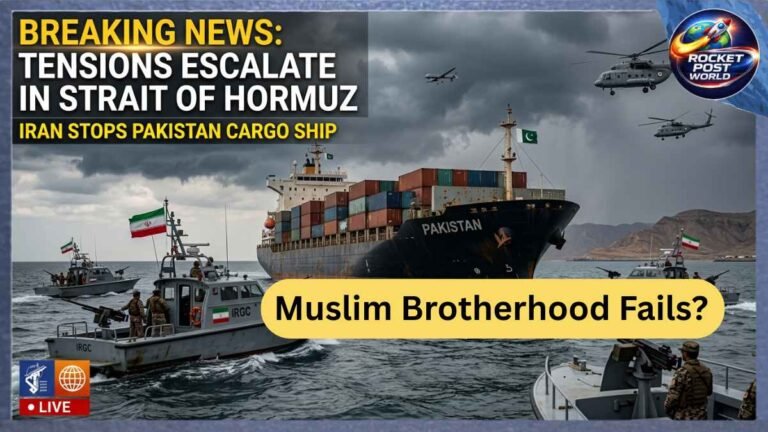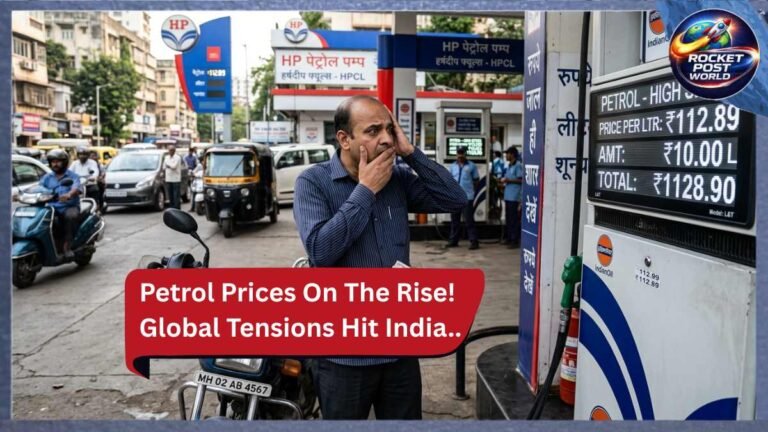

Iran-Israel-US War: Amid rising tensions in West Asia and the ongoing conflict involving Iran, Israel, and the United States, India has received a significant diplomatic relief. Iranian authorities have allowed Indian-flagged oil tankers to safely pass through the strategically critical Strait of Hormuz, even as maritime movement in the region faces disruptions due to escalating military tensions. The development comes at a time when global energy markets are already feeling the impact of the conflict.
Diplomatic Talks Lead to Breakthrough
According to reports, the safe passage for Indian vessels came after high-level diplomatic engagement between India and Iran.
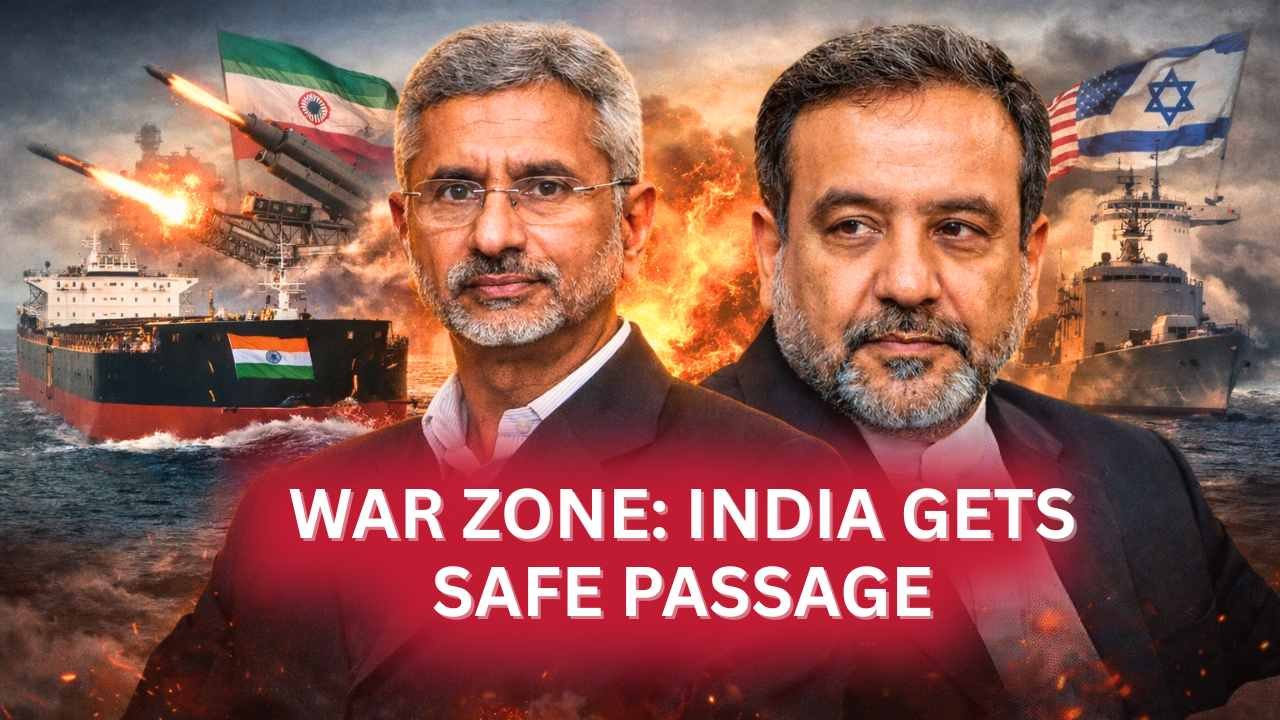
India’s External Affairs Minister Dr. S. Jaishankar held discussions with Iranian Foreign Minister Abbas Araghchi, after which Iran granted permission for Indian ships to transit through the crucial maritime corridor.
Experts see this as a reflection of India’s balanced and independent foreign policy, which has allowed the country to maintain working relations with multiple sides even during a tense geopolitical situation.
These Indian Tankers Received Permission
Following Iran’s approval, at least two Indian oil tankers have been allowed to cross the Strait of Hormuz safely.
The vessels include:
-
Pushpak
-
Parimal
Both tankers are currently passing through the narrow waterway without disruption.
This development is significant because the growing tensions in the region have affected several international vessels, with many ships facing risks of attacks, inspections, or restrictions while navigating the area.
Conflict Enters Day 12
The ongoing confrontation involving Iran, the United States, and Israel has now entered its 12th day.
The conflict escalated after strikes carried out by the United States and Israel on Iranian targets. Since then, tensions have continued to rise across the region.
The war has already begun affecting maritime trade:
-
Shipping movement in parts of the region has slowed dramatically
-
Several vessels have been forced to alter routes
-
Global oil prices have surged amid supply concerns
As a result, the world’s attention is currently focused on the Strait of Hormuz.
Iran Imposes Strict Restrictions on Ships
In response to the growing conflict, Iran has imposed stricter monitoring and restrictions on ships passing through the Strait of Hormuz.
Tehran has indicated that vessels connected to American or Israeli interests may face restrictions or potential risks while transiting the route.
Because of this policy, several Western vessels are currently navigating the region under heightened security concerns.
Why the Strait of Hormuz Is So Important
The Strait of Hormuz is considered one of the most strategically important maritime chokepoints in the world.
-
It lies between Iran and Oman
-
The narrow passage is roughly 55 kilometers wide
-
It connects the Persian Gulf to the Arabian Sea
Its role in global energy supply makes it extremely sensitive to geopolitical tensions.
A Major Global Energy Route
Under normal circumstances:
-
Around 13 million barrels of oil pass through the strait every day
-
This accounts for about 31 percent of global oil supply
Any disruption here can directly impact oil exports from major producers, including:
-
Iraq
-
Kuwait
-
Saudi Arabia
-
United Arab Emirates
-
Iran
A significant portion of the world’s liquefied natural gas (LNG) shipments also travels through this route.
This is why tensions in the region quickly affect global markets, supply chains, and energy prices.
Iran’s Military Capabilities in the Region
Defense analysts point out that Iran possesses several military assets capable of targeting vessels in the Strait of Hormuz.
These include:
-
Anti-ship missiles
-
Armed drones
-
Fast attack boats
-
Naval mines
Such capabilities allow Iran to potentially disrupt shipping across the entire area if tensions escalate further.
What This Means for India
Iran allowing Indian tankers to pass safely while restricting many other foreign vessels is being seen as a diplomatic success for India.
The decision has several important implications:
-
It helps ensure continuity in India’s energy supply chain
-
It reduces the risk of disruptions in oil imports
-
It highlights India’s balanced diplomatic approach during global crises
Iran-Israel-US War: Experts say that if the Strait of Hormuz were completely blocked, it could have severely affected energy security for India and several other Asian economies.
About the Author